The Perzine, the Split and the Anthology
Not all zines are the same animal
Walk through a zine fair and you will handle dozens of objects that are, technically, all zines — self-published, small-run, made outside commercial distribution. But a confessional diary printed in an edition of thirty feels nothing like a themed anthology assembled by an editor who solicited contributors from across the country. Knowing the difference helps you find what you are looking for, make what you actually mean to make, and catalogue what lands on your desk.
The perzine: one voice, all the way through
The perzine — personal zine — is the form most people imagine when they imagine a zine at all. It is first-person autobiography: the maker's illness, their commute, their bad year, their obsessive interest in a single band from a city they have never visited. The content can be raw or polished, sprawling or sharply edited, but the governing principle is one voice and one life. The maker is the subject.
What distinguishes a perzine from a diary is the fact of publication — the choice to hand it to a stranger or post it to someone you found through a distro listing. That choice is not trivial. The act of printing and distributing converts private material into a public object, which changes both how it is written and how it is read. Readers often describe the experience of reading a perzine as unusually direct, even intimate, because the usual editorial distance — the magazine's house style, the publisher's risk calculation — is entirely absent.
Perzines age interestingly. A zine written as present-tense experience becomes, after some years, a document of a specific life at a specific moment. Libraries and archives have begun to recognise this value: a perzine records not just what its maker felt but how they wrote, what they assumed their reader already knew, which cultural references went unexplained because they seemed obvious. That texture is almost impossible to recover from any other source.
The split: two makers, one object
The kinds you will meet, and how to tell them apart.
What a Zine Is
A split is a zine shared between two contributors, usually structured so that each takes one half — flipped and bound back-to-back, or divided front-to-back with a shared middle, depending on what the makers decide. Each contributor writes, draws or assembles their own section independently; the binding is the collaboration.
Splits emerged from a practical logic. Two people who each had half a zine's worth of material could share printing and postage costs, pool audiences, and produce something more substantial than either could finish alone. They remain genuinely common in distro catalogues, and the format has a social function: a split introduced many readers to a maker whose work they would not otherwise have found.
The split also invites a light comparative reading. When two voices sit inside the same stapled object, readers naturally notice what they share and where they diverge — in tone, in subject matter, in how they use images against text. A split is not a dialogue in the way an anthology is a conversation, but the proximity is its own kind of argument.
The anthology: gathered, edited, shaped
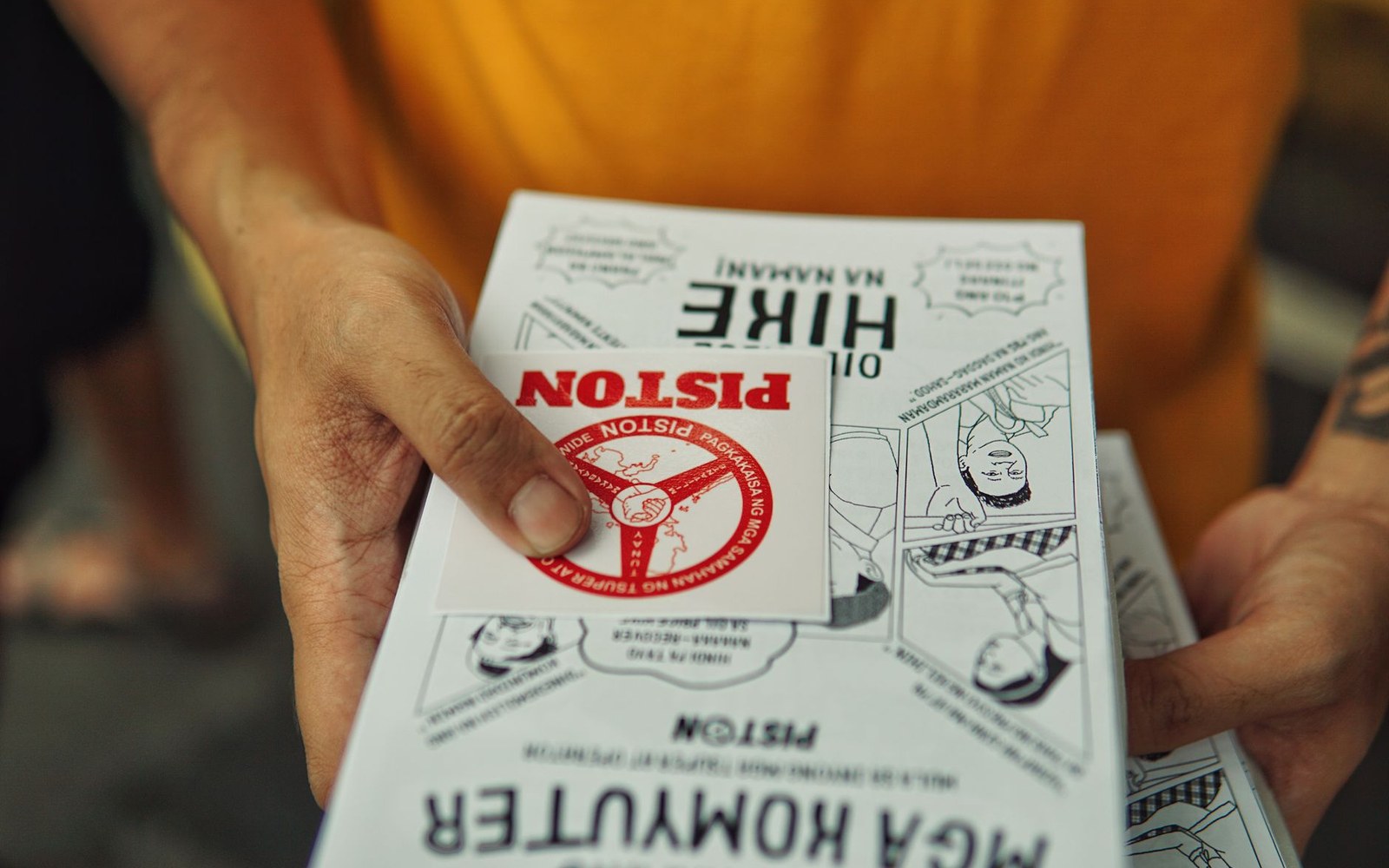
An anthology zine brings together multiple contributors around a theme — a prompt, a genre, a geography, a community. Someone issues a call for submissions, chooses what to include, arranges the material and produces the final object. That person is, in function if not in title, an editor.
This is where the zine's usual aversion to gatekeepers gets complicated. An anthology has a gatekeeper almost by definition. What keeps it inside the zine world rather than tipping into what a magazine actually is is usually a matter of scale, economics and intent: the editor is not paid, the contributors are not paid, the run is small, the object is sold at cost or near it, and the whole project exists because someone cared about a subject enough to gather responses to it rather than because a publisher identified a market.
Anthologies tend to document communities. A themed anthology published at a particular moment captures who was making work, what they were thinking about, and what felt worth collecting. Decades later, they often read as group portraits — of a scene, a city, a subculture, a moment in a practice. This is part of why archivists value them differently from perzines: a perzine is an individual record, an anthology is a collective one.
Why the distinctions matter
For makers, the categories help with decisions. A perzine demands stamina and a tolerance for self-exposure; a split requires a collaborator whose pace and commitments match yours; an anthology requires editorial energy that is quite different from the energy of writing. None of these is more legitimate than the others, but they are genuinely different jobs.
For readers, the categories set expectations. You pick up a perzine knowing you are entering one person's world on their terms. You pick up a split ready for contrast. You pick up an anthology expecting range.
For anyone cataloguing or acquiring zines — in a library, an archive, a distro — the distinctions affect description and organisation. A perzine is most usefully catalogued by maker; an anthology by theme or title. A split sits oddly in both systems, which is one reason it sometimes disappears into collections without either maker being fully credited. Getting the form right is the first step to getting the record right.